
Silent Killers: Why Resistant Infections in Ghana’s Elderly Care Homes Matter to Everyone
Dr. Edward J. Tettevi, Joel Otchere-Baffour, Emmanuel Odartei Armah
Adapted from the 2026 Mid-Year Review presentation by Mr. Emmanuel Odartei Armah, ARS (BPHRU/CSIRWRI)
Imagine this: Your 78-year-old mother has become a resident at a care home in Accra. She’s settled in well – the staff are kind and she’s made friends. Then one morning, she develops a urinary tract infection (UTI) – an infection of the bladder, ureters or kidneys, most often caused by bacteria. Common. Treatable. Routine. The doctor prescribes antibiotics, but they’re ineffective. The infection worsens as the bacteria evolve, developing genes that render them resistant to almost every available antibiotic in the pharmacy. What should have been a routine treatment becomes a desperate fight for survival. This isn’t a hypothetical scenario; it’s happening right now in elderly care homes across Greater Accra.



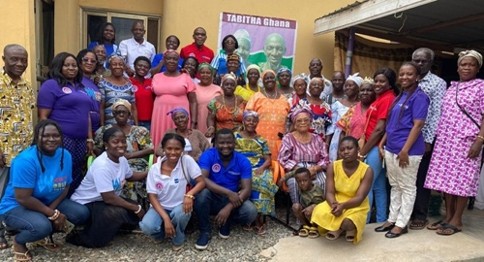
Research team with residents and care assistants at a care home in Accra.
Why the Elderly Are Vulnerable.
UTIs disproportionately affect elderly women due to weakened immunity, catheterization, and age-related anatomical and physiological changes. Declining mucosal immunity and postmenopausal microbiota shifts create a perfect storm for uropathogen (a microorganism that infects the urinary tract, such as E. coli) colonization. Chronic conditions and polypharmacy further increase risk. In Ghana’s care homes, these vulnerabilities are compounded by limited access to diagnostics and the absence of formal antimicrobial stewardship programs.
The Crisis in Numbers
Nearly half of urinary bacteria now resist standard medicines:
| Finding | Rate |
| Multidrug-resistant E. coli | 46.43% |
| Cefepime resistance | 84.6% |
| Aztreonam resistance | 76.9% |
| K. pneumoniae imipenem resistance (last resort) | 100% |
| ESBL gene carriage | 100% |
Source: BPHRU/CSIR-WRI, “Antimicrobial Resistance in Ghanaian Care Homes,” 2026. N = 118 residents aged ≥ 55 across facilities in Greater Accra